

Downloads for this video
1 file
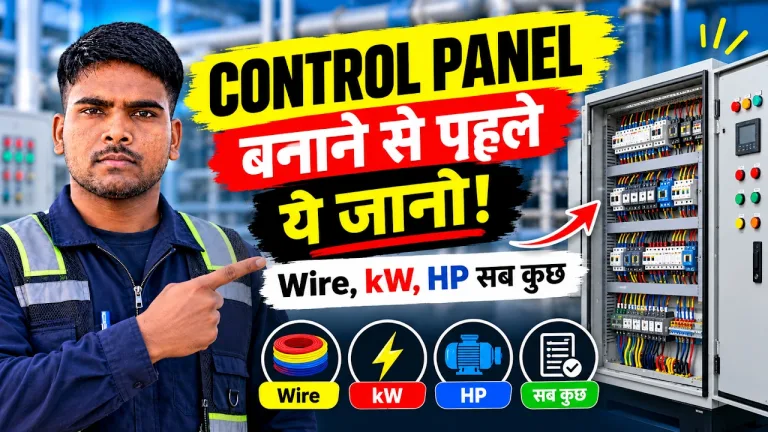
Electrical automation is an important part of modern industry. In this video you will learn what electrical automation means, the basic electrical ideas behind it, and the components used in automation systems.
This is the first video of the Fixit Daily Electrical Automation series. It is for electricians, ITI and diploma students, electrical engineers, technicians and beginners who want to grow from basic to advanced level.
What you will learn
- What electrical automation is and where it is used in industry
- The basic meaning of voltage, current and electrical power
- The main electrical and automation components in control systems
- What sensors are and why automation needs them
- How electrical drawings and control diagrams connect to automation
- The learning roadmap from basics to advanced industrial automation
What you need
This is an introduction, so you do not need a control panel or automation equipment yet.
- Interest in learning electrical fundamentals
- A notebook for important terms
- The free “Electrical Automation Introduction” file in Downloads for this video above
- A computer or phone to follow the series
How it works
Electrical automation uses electrical equipment, control devices, sensors and automation technology to run and control machines or industrial processes.
To understand automation you first need the basics: voltage, current and power explain how every electrical system works. Sensors tell the control system what is happening in a machine, and the control system acts on that information. Electrical drawings and control diagrams show how all the parts are connected.
Step 1: Understand electrical automation
Learn what electrical automation means, how electrical systems connect with automation technology, and why automation matters in modern industry. The goal is to see the link between electrical equipment, control systems and automatic operation.
Step 2: Learn voltage, current and power
Voltage, current and power are the foundation of electrical work. Understand these three terms before moving to control panels and automation — they make every later lesson on components and control circuits easier.
Step 3: Get to know electrical and automation components
Automation systems use many components to switch, protect and control. This part introduces them and why each one is needed in an industrial control system.
[CHECK: write the component names you show in the video, e.g. MCB, contactor, relay, push buttons, PLC…]
Step 4: Learn about sensors
Sensors detect conditions in a machine or process and send that information to the control system. Knowing what sensors do will help later with PLC programming, control circuits and real automation jobs.
Step 5: Understand electrical drawings and control diagrams
Electrical drawings are needed to design, understand and troubleshoot control systems. Control diagrams show how the parts relate and how the system should work. Reading drawings is a key skill for every industrial electrician and automation technician.
Step 6: The learning roadmap
The next videos in this series will cover, step by step:
- Electrical fundamentals and control panel basics
- Electrical drawings and wiring diagrams
- Motor control and control circuits
- PLC and industrial automation
- VFD (Variable Frequency Drive)
- HMI (Human Machine Interface)
- SCADA
- Industrial sensors and their applications
Check your understanding
Before the next lesson, make sure you can:
- Explain what electrical automation means
- Describe voltage, current and power in simple words
- Say what electrical and automation components do
- Explain why automation uses sensors
- Say why drawings and control diagrams are important
If something is not clear, watch that part of the video again.
Common mistakes
- Skipping the fundamentals — learn voltage, current and power before PLC and automation.
- Ignoring drawings — make reading drawings a habit; they are the language of control systems.
- Only memorising names — learn what each component does, not just its name.
- Forgetting sensors — understand how sensors give information to the system.
- Jumping to advanced topics — follow the series step by step instead of starting with PLC, HMI or SCADA.
Safety
Electrical systems can be dangerous. Always isolate the supply, lock it off and check with a proper voltage tester that the circuit is dead before you work on it. Practical work must be done by qualified persons following local electrical safety rules.
FAQ
What is electrical automation?
It is the use of electrical equipment, sensors and control technology to run machines and processes with less manual work.
Can beginners learn electrical automation?
Yes. Start with voltage, current and power, then move step by step to components, drawings, control panels, PLC and other automation topics.
Is reading electrical drawings important for automation?
Yes. Drawings and control diagrams show how components are connected and how the control system is designed.
What do sensors do in automation?
They detect conditions in a machine or process and send that information to the control system.
What will this series cover?
Electrical fundamentals, control panels, drawings, motor control, PLC, VFD, HMI, SCADA, sensors and industrial automation.
Next: follow the next videos of the Fixit Daily Electrical Automation series to go from basic electrical ideas to advanced industrial automation.